News|最新情報
2026年8月29日
Anthro-film Laboratory 59
Special Talk and Discussion with Emiko Stock
“Can a film have too many images? Can a film have no images?”
Date & Time: October 9th 2026, 16:00 -
Venue: National Museum of Ethnology, 2nd Floor, Seminar room 7
Senri Expo-Park 10-1, Suita, Osaka 565-8511 Japan
https://www.minpaku.ac.jp/en
※reservation is not required.
日時:2026年10月9日(金) 16:00 -
会場:国立民族学博物館2階 第7セミナー室
〒565-8511 大阪府吹田市千里万博公園10-1
https://www.minpaku.ac.jp/information/access
※発表と議論の言語は英語です
※予約等必要なし
Speaker: Emiko Stock
(Guest Research Associate, Center for Southeast Asian Studies, Kyoto University)
Abstract
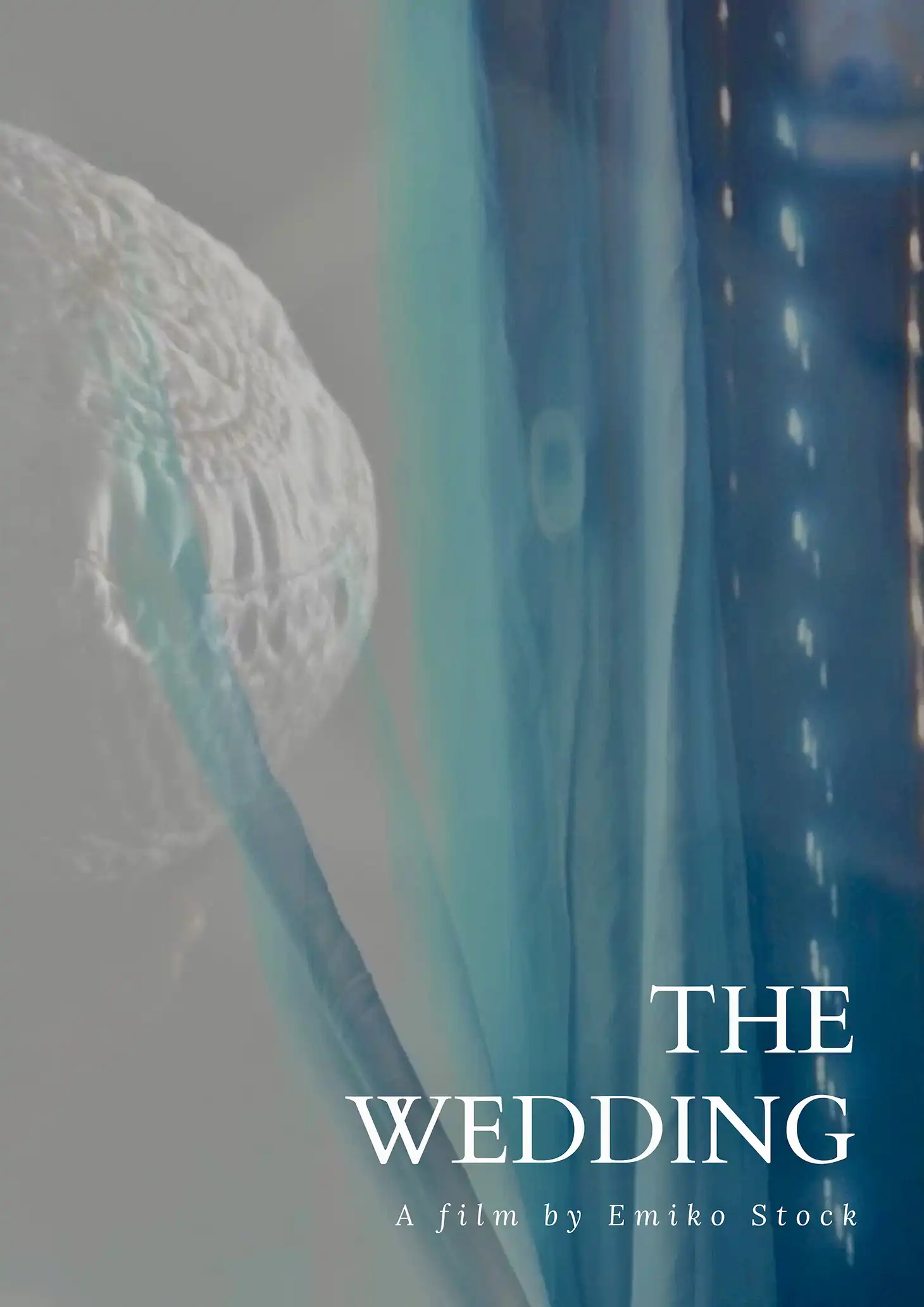
How does the ethnographer go about picking a medium from the infinity of possibilities, working through multimodality? Or—to the risk of being cheeky—does the medium pick you, or even pick you up? As a photographer and filmmaker who later moved into poetry, sound, and drawing within my ethnographic practice, this question sits at the center of my work. To open a conversation around this topic, I bring two projects to this Anthro-Film Laboratory. The first, The Wedding (2021, 15'), is a short wedding film made in Cambodia primarily for the Cham Muslim community and family I have belonged to for most of my life—a film whose form both follows and precedes from its address, made to be watched by rather than merely about its subjects. The second is an Egypt-based auto-ethnographic soundwork (Failing At Failing, forthcoming, Cultural Anthropology Journal Special Issue On Feminist Soundwork, 9’). Here I use the focus of sound to think through "feminist listening" and "queer failure" as modes of attending to the erosion of self in the increasing precarity of global academic lives. Reading the two projects together, I want to ask what changes—in relation, in authority, in what can be said—when the ethnographer moves between image, sound, and word.
Biography
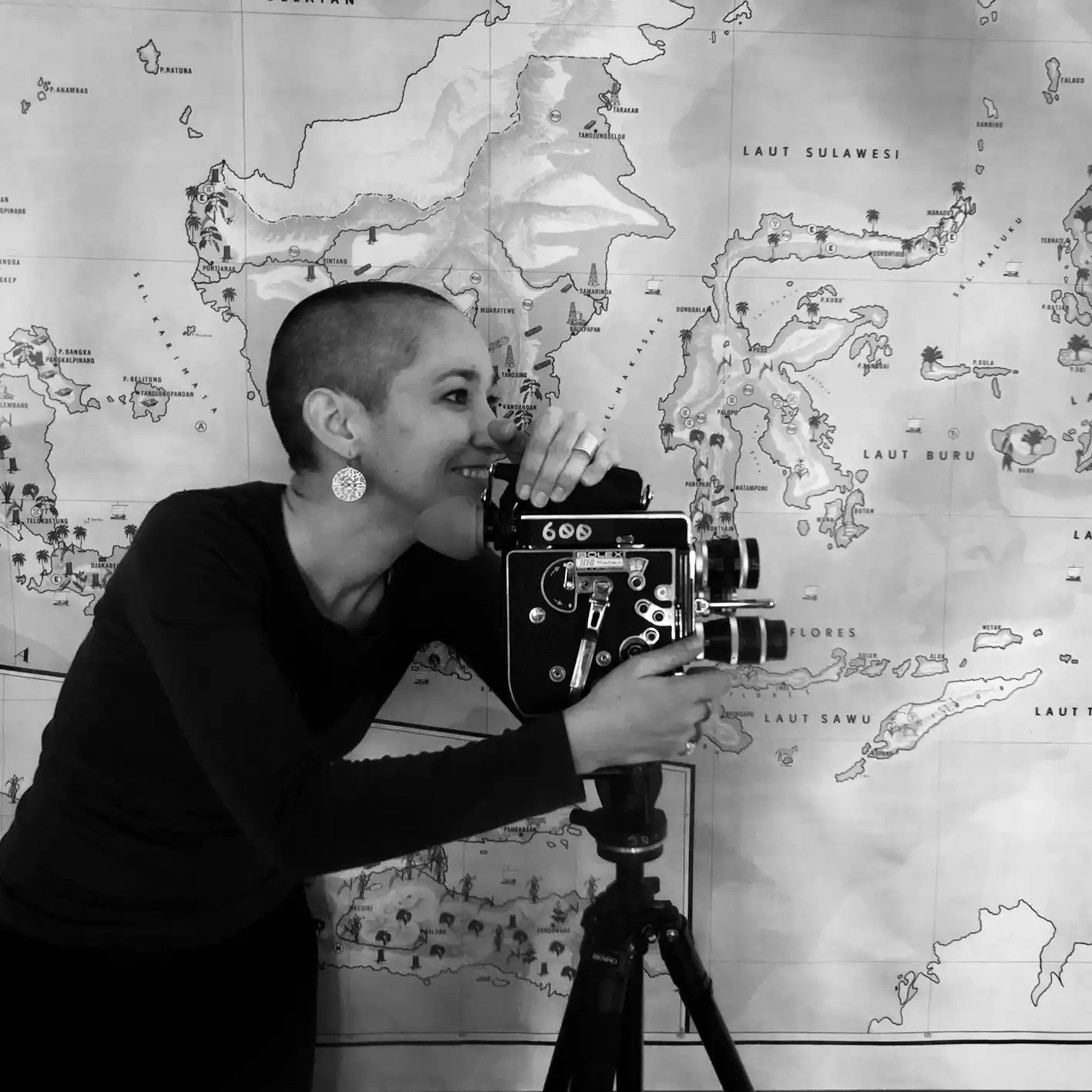
Emiko Stock is a multimodal anthropologist and creative ethnographer working at the intersection of academia, the arts, public engagement, and private consulting, primarily based between Phnom Penh and Cairo. Their teaching and research span feminist and experimental documentary production, sonic ethnography, sketchnoting, and poetic musings. They have been working closely with Cham Muslims in Cambodia for the past two decades through methodologies of attunement to disrupted histories conveyed with and through images. Currently a Guest Research Associate at the Center for Southeast Asian Studies at Kyoto University, they have previously held positions at The American University in Cairo, Hamilton College, and Cornell University, where they earned their PhD. They co-founded the multimodal collective CoMMPCT, co-curated The Virtual Otherwise conference and film festival, and crafted the first online and public-oriented creative ethnography course for Domestika.